Wondering if a Sanibel vacation condo is the perfect mix of island lifestyle and rental potential? You are not alone. Many buyers love the idea of owning a low-maintenance coastal property here, but the smartest purchases depend on more than a great view. If you are thinking about buying on Sanibel, this guide will help you focus on the rules, costs, documents, and building-specific details that matter most. Let’s dive in.
Why Sanibel condos attract buyers
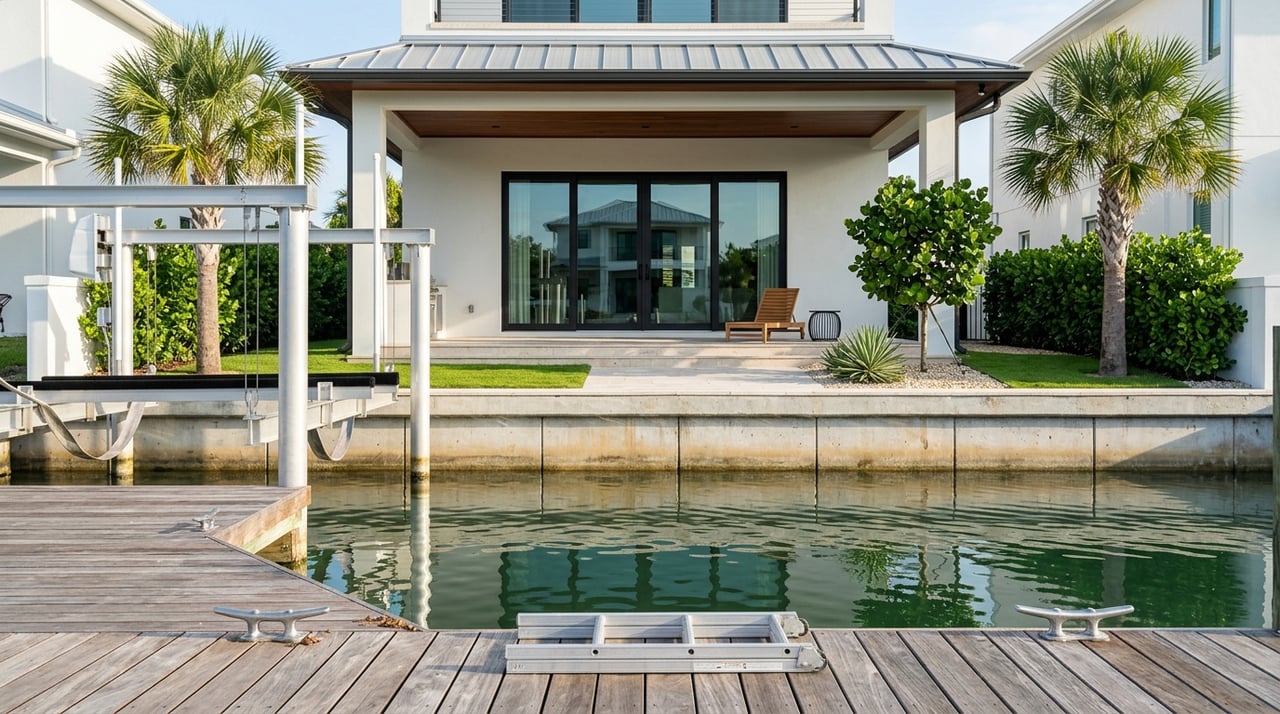
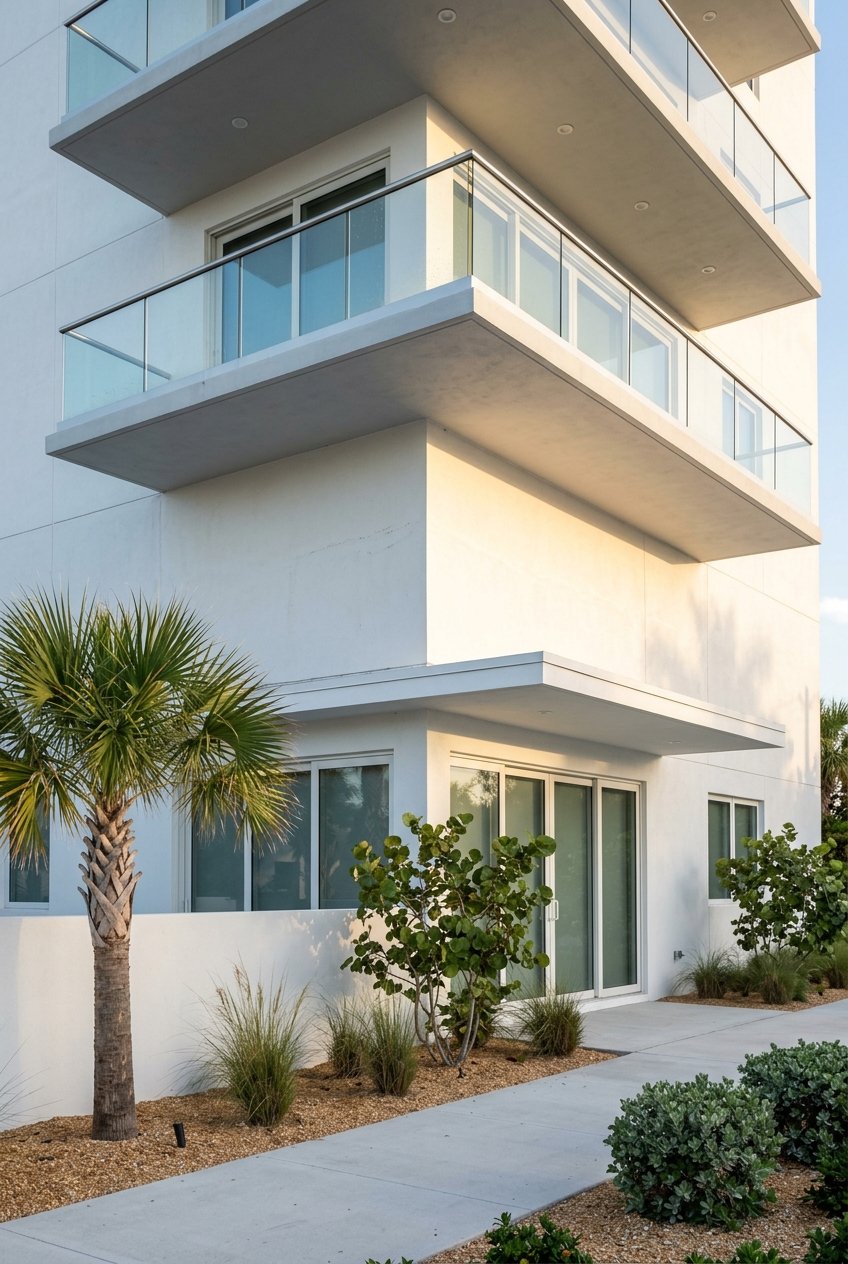
Sanibel’s condo market is built around vacation living. Many communities offer 1-, 2-, and 3-bedroom units with screened lanais, plus views that may include the Gulf, tropical courtyard settings, or back-bay canals.
Amenities can also play a big role in value and day-to-day enjoyment. Depending on the community, you may see pools, tennis courts, bicycle rentals, boat docks, Wi-Fi, and on-site management. For many second-home buyers, that combination creates an easy, resort-style ownership experience.
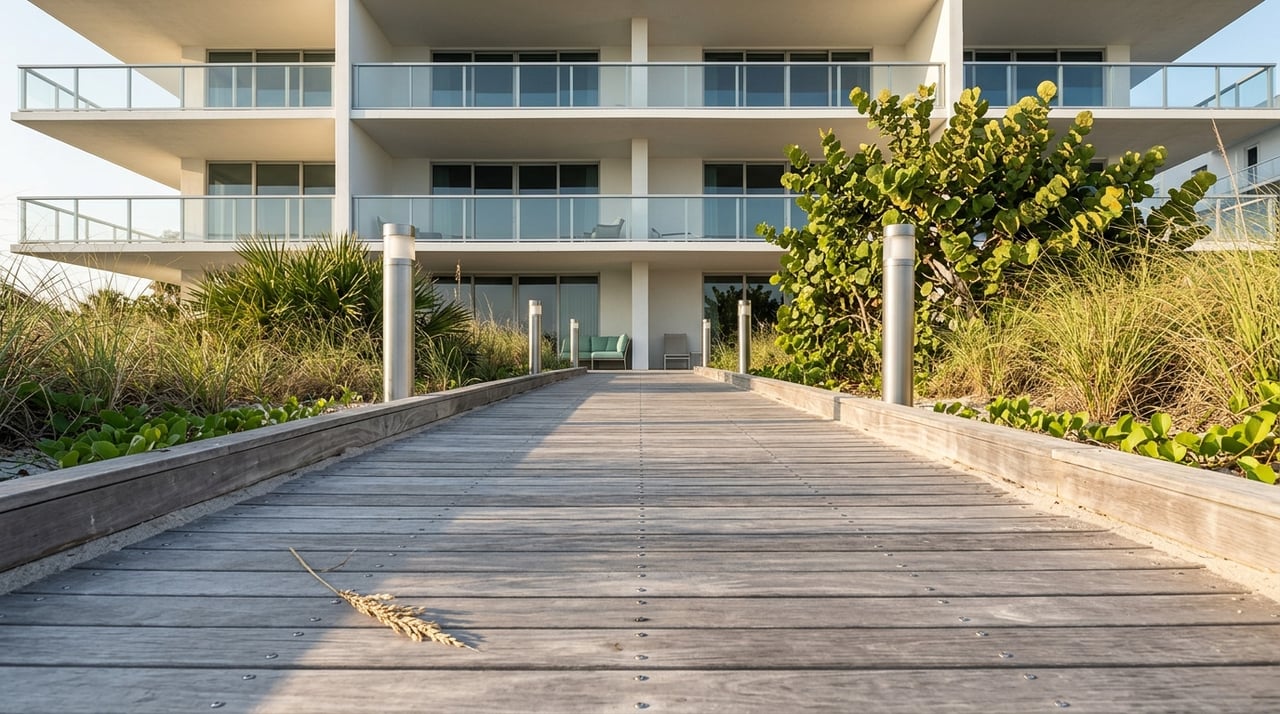
Another major factor is beach access. Sanibel has seven public beach locations, but many beach areas on the island are private property for guests of beachside vacation homes and resorts. In practice, that means a condo’s access setup can directly affect both lifestyle and long-term value.
Start with the building, not the view
On Sanibel, the right condo is usually about the specific building more than the island in general. Two units with similar views can have very different rental rules, repair status, insurance structures, and association finances.
That matters even more after Hurricane Ian. Sanibel has revised rules tied to resort housing, multifamily properties, setbacks, and building heights to support rebuilding. Before you assume a condo will work for personal use, seasonal income, or future resale, confirm whether the building is fully rebuilt, still under repair, or operating under updated redevelopment conditions.
If a rental plan is part of your purchase decision, zoning matters too. Sanibel’s official maps identify a Resort Housing District where resort housing is permitted. That makes it important to verify how the property is classified before you move forward.
Understand Sanibel rental rules first
If you hope to offset costs with rental income, do not treat Sanibel like a one-size-fits-all market. The city says that for most Sanibel homes, the minimum rental period is four consecutive weeks.
The city also requires anyone renting property to have a rental dwelling license and a business tax receipt. In addition, businesses based in Sanibel, including real estate rentals, must obtain a business tax receipt before beginning operations, and renewals are due annually by September 30. The city also notes that a Lee County business tax receipt is required to conduct business in Lee County.
There is another layer to know. Florida allows transient rental taxes on accommodations rented for six months or less, and Lee County’s tourist-development-tax fund is supported by a 5% tax on those accommodations.
Here is where buyers need to slow down. Some Sanibel resort-style condo communities advertise weekly or even shorter minimum stays. That means the condo declaration and zoning may be more specific than broad city guidance, so you should verify the exact rental eligibility of the unit and building before making an offer.
Compare rental questions before you buy
If rental income is part of your plan, ask for clear written answers to these questions:
- What is the exact minimum rental period under the city rules, county requirements, and condo declaration?
- Does the building allow seasonal rentals at all?
- Is the property located in a Resort Housing District or another zoning category?
- Is the rental dwelling license active?
- Who handles the city business tax receipt and any county registration?
- Are there post-Ian repairs, temporary access limits, or construction issues that could affect occupancy or income?
These questions may seem basic, but they can make or break the numbers. A condo that works beautifully as a personal getaway may not match your rental goals.
Review the HOA documents carefully
In Florida, condo document review is not just a formality. It is one of the most important parts of the purchase process.
Florida condo disclosure law requires buyers to receive key association documents. These include the declaration, articles, bylaws, rules, the most recent annual financial statement and budget, and when applicable, the milestone inspection summary, turnover inspection report, and the association’s most recent structural integrity reserve study.
Those records can tell you a lot about the health of the community. Owners also have access under Florida law to official records such as meeting minutes, budgets, financial reports, contracts, bids, and structural integrity reserve study documents.
When you review the package, pay attention to how the association talks about maintenance, reserves, repairs, and future capital projects. The goal is to understand not just current costs, but where the building may be headed over the next several years.
Know how reserve studies affect costs
Florida’s condo reserve rules are tighter for older buildings, and that can affect ownership costs. A residential condominium association with buildings three habitable stories or higher must complete a structural integrity reserve study at least every 10 years.
That study must address major building components and systems, including the roof, structural members, fire protection, plumbing, electrical systems, waterproofing and exterior paint, windows and exterior doors, plus other high-cost deferred-maintenance items that meet the statutory threshold.
For buyers, this matters because stronger reserve planning can support a healthier building over time, but it can also lead to higher dues or larger funding needs. Existing unit-owner-controlled associations were required to complete structural integrity reserve studies by December 31, 2025, and the study can be completed alongside a milestone inspection through December 31, 2026.
Ask about milestone inspections
Milestone inspections are separate from reserve studies. Under Florida law, local enforcement agencies may require a milestone inspection when a building reaches 25 years of age, and in coastal settings the deadline may come earlier because of salt-water proximity.
Once notice is issued, phase one must be completed within 180 days. For a Sanibel buyer, this is especially relevant because coastal conditions can accelerate wear on building systems and exterior materials.
If the condo you like is an older building, ask whether any milestone inspection has been required, completed, or recommended. You will want to understand what the findings were and whether follow-up work is planned.
Check for special assessments
Monthly condo dues are only part of the financial picture. You also need to ask whether there are unpaid assessments or any pending special assessments.
That is important because a unit owner is liable for assessments that come due while owning the unit. A unit with an appealing list price can look very different once upcoming building costs are factored in.
Review the latest budget, reserve schedule, board minutes, and inspection summaries for clues about future expenses. If the building has deferred maintenance, major repairs, or post-storm projects still underway, those costs may affect your ownership budget.
Understand insurance responsibilities
Insurance deserves just as much attention as the view, floor plan, or amenities. Under Florida law, the association is responsible for insuring many common elements and building components.
At the same time, unit owners remain responsible for much of their personal property and many interior items within the unit. Associations may also carry flood insurance for common elements, association property, and units.
Before you buy, ask what the master policy covers, what the deductibles are, and what you would need to insure separately. In a coastal market like Sanibel, that conversation should happen early, not after you are under contract and rushing toward deadlines.
Build the right review team
A Sanibel condo purchase often benefits from more than a standard property showing and contract review. Because rental rules, inspections, insurance, and post-storm rebuilding issues can all shape value, it helps to have the right professionals review the condo packet before your contingency deadlines expire.
The research points to three especially useful experts:
- A Florida condo attorney
- An insurance agent
- An engineer or architect
That extra review can help you spot issues that are easy to miss in a vacation-oriented market. It can also give you more confidence that the condo fits your plans for personal use, rental income, or long-term ownership.
What smart Sanibel buyers focus on
The best Sanibel vacation condo purchases usually come down to five things: legal classification, rental rules, HOA finances, insurance structure, and post-storm status. Those factors often matter more than finishes or even the view.
If you are comparing options, keep your focus on how the building operates in real life. A great condo should match the way you want to use it, whether that means quiet seasonal living, part-time enjoyment with rental income, or a long-term hold in a coastal market you love.
When you buy with clear eyes and the right due diligence, Sanibel can offer a very appealing ownership experience. The key is knowing what to confirm before you commit.
If you want help evaluating condo documents, rental questions, insurance considerations, and post-storm building details in Southwest Florida’s coastal markets, Alex King Group can help you buy with more clarity and confidence.
FAQs
What rental period should you expect for a Sanibel vacation condo?
- For most Sanibel homes, the city says the minimum rental period is four consecutive weeks, but some resort-style condo communities may have different rules based on their declaration and zoning.
What documents should you review before buying a Sanibel condo?
- You should review the declaration, articles, bylaws, rules, annual financial statement, budget, and when applicable, the milestone inspection summary, turnover inspection report, and structural integrity reserve study.
What is a structural integrity reserve study for a Florida condo?
- A structural integrity reserve study evaluates major building components and funding needs for future repairs in certain condominium buildings, including items like the roof, structure, plumbing, electrical systems, windows, and waterproofing.
Why do special assessments matter when buying a Sanibel condo?
- Special assessments can increase your true cost of ownership because unit owners are responsible for assessments that come due while they own the condo.
What insurance questions should you ask before buying a Sanibel condo?
- You should ask what the association’s master policy covers, what the deductibles are, whether flood coverage is in place, and which interior items or personal property you would need to insure separately.
Why is post-Ian building status important for a Sanibel condo purchase?
- Post-Ian repair status can affect access, usability, rental income, future costs, and how the property fits updated rebuilding and redevelopment rules on Sanibel.